
Book An Appointment
802 Southdown rd, Unit # C1, Mississauga, ON, L5J 2Y4
Email: goactive.mississauga@gmail.com
Book Appointment Call UsMore Recent Blogs


Thu Feb 26
Arthritis: Why Your Hands Hurt — and What You Can Actually Do About It
You wake up in the morning, reach for your coffee mug — and your fingers feel like they belong to someone much older than you. The stiffness. The aching. The knuckles that look a little bigger than they used to. Sound familiar?
You're not alone. Arthritis — a term used to describe arthritis that develops in specific, individual joints based on your unique body mechanics, work history, and lifestyle — affects thousands of Canadians, including many right here in Ontario. The good news is that this condition is highly manageable, especially when you catch it early and get the right care.
In this post, we'll walk you through what arthritis is, why it happens, how to slow it down, and how physiotherapy plays a real role in helping you get back to a comfortable, active life.
What Is Arthritis?
Arthritis is not a single disease. It's a general term for joint inflammation and damage. "Arthritis" refers to the pattern of arthritis that develops in your specific joints based on how you use your body over time.
The most common form is osteoarthritis (OA) — the kind caused by wear and tear. When the protective cartilage between your joint surfaces gradually breaks down, bone rubs against bone. The result? Pain, stiffness, swelling, and eventually reduced ability to move that joint the way you used to.
In the hands and fingers specifically, this most often shows up as:
- Stiffness that's worst in the morning and gets better after 20-30 minutes of movement
- Bony lumps forming at the knuckle joints (called Heberden's or Bouchard's nodes)
- Reduced grip strength — making it harder to open jars, button shirts, or hold a pen
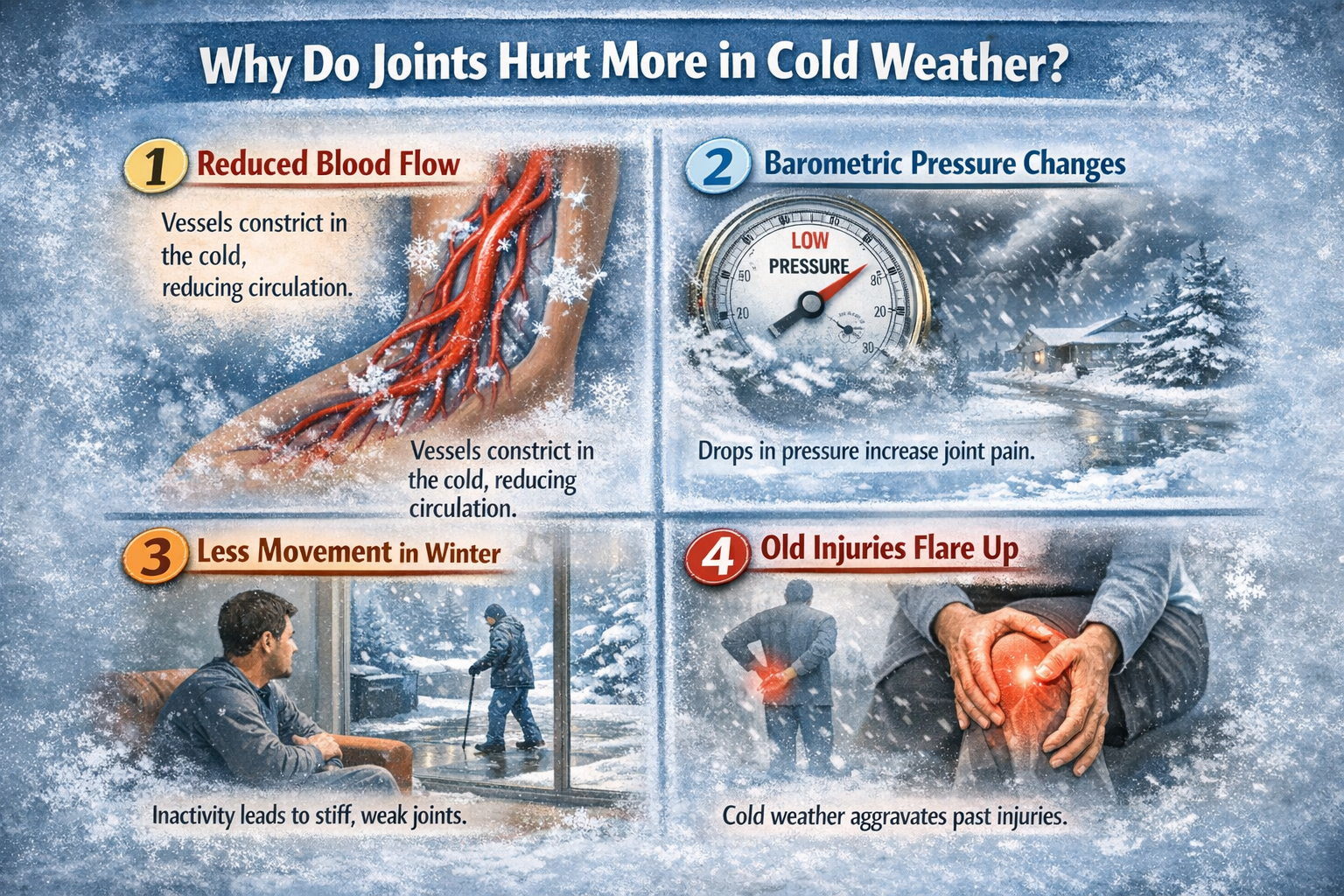
- A deep aching pain that worsens with cold weather or repetitive tasks
- Occasional swelling and warmth around the affected joints
📌 Important: Not all joint pain is the same. Some forms of arthritis are caused by the immune system attacking the joints (like rheumatoid arthritis). Your physiotherapist and doctor work together to make sure you get the right diagnosis before treatment begins.
What Causes Arthritis? A Detailed Look
1. Age and Natural Joint Wear
As we age, the cartilage in our joints naturally thins. This is not a disease — it's biology. But when combined with other factors, it speeds up the process. Most people over age 50 show some degree of cartilage thinning on imaging, even if they don't have symptoms yet.
2. Repetitive Hand and Finger Use
Factory workers who grip tools for hours. Office workers whose fingers type thousands of keystrokes per day. Hair stylists. Mechanics. Musicians. All of these people put repeated stress on the same joints over years and decades. That repetition, without adequate recovery time, adds up — and the joints that take the most abuse are often the first to develop arthritis.
3. Previous Injuries
Had a finger fracture years ago? A bad sprain you "just pushed through"? Those older injuries can alter the mechanics of a joint, even after the immediate pain has faded. Post-traumatic arthritis can develop years — sometimes decades — after the original injury.
4. Genetics and Family History
If your mother or grandmother had knobbly finger joints, there's a meaningful chance you might too. Some people inherit a tendency toward cartilage that wears down faster, or joints that are shaped in ways that create uneven pressure distribution over time.
5. Being Female
Women are significantly more likely to develop hand arthritis than men, particularly after menopause. Hormonal changes — especially the drop in estrogen — appear to affect joint tissue and cartilage health in ways researchers are still studying.
6. Being Overweight
While this mostly affects weight-bearing joints like knees and hips, excess body weight also increases systemic inflammation, which can accelerate joint damage even in the hands and wrists.
7. Poor Ergonomics and Posture
Using a mouse for hours at an awkward angle. Holding a phone with a pinched grip. Writing with a tense, cramped hand position. These patterns don't just cause temporary pain — they create the conditions for long-term joint damage if left uncorrected.
How to Prevent Arthritis — or Slow It Down
Here's something that often surprises people: you have more control over this than you think. While you can't reverse the arthritis you already have, you can absolutely slow the progression — and in some cases, prevent it from getting worse for years or even decades.
Keep Your Joints Moving
Gentle, regular movement is one of the best things you can do for arthritic joints. It keeps the synovial fluid (your joint's natural lubricant) circulating, prevents stiffness from setting in, and helps maintain the strength of the muscles that support your joints. You don't need to do anything intense — even 10 minutes of gentle hand exercises each morning makes a real difference.
Strengthen the Muscles Around Your Joints
Strong forearm and hand muscles take pressure off your joints. A registered physiotherapist can design a simple, specific strengthening program for your hands and wrists — one that's appropriate for where your joints are right now, not a generic routine from the internet.
Modify How You Do Tasks
This is one of the most underrated prevention strategies. Things like using a larger-grip pen, opening jars with your palm instead of your fingers, typing with relaxed hands, or taking micro-breaks every 30 minutes during repetitive tasks can dramatically reduce the wear on your joints over time.
Protect Against Cold and Damp
Many people with arthritis report that cold, damp weather makes their symptoms worse — particularly here in Ontario winters. Keeping your hands warm with gloves, using warm water for tasks, and warming up your hands before starting the day can help reduce morning stiffness.
Eat an Anti-Inflammatory Diet
There's growing evidence that chronic, low-grade inflammation speeds up cartilage breakdown. Foods like omega-3 rich fish (salmon, mackerel), berries, walnuts, olive oil, and leafy greens have anti-inflammatory properties. At the same time, reducing processed foods, sugar, and excessive alcohol can help lower your overall inflammatory load.
Get Injuries Properly Treated — Even Old Ones
If you have a finger or wrist injury that's "mostly healed" but still bothers you, don't ignore it. Getting proper physiotherapy treatment for old injuries can correct compensatory movement patterns before they cause more damage downstream.
📌 Prevention is not about eliminating pain forever. It's about keeping your joints functioning well enough to enjoy your life — to do your job, hold your grandchildren, pursue your hobbies. That's the real goal.
Physiotherapy Treatment for Arthritis: What Actually Happens
A lot of people think arthritis just means learning to live with it. That's not what we believe — and it's not what the evidence says.
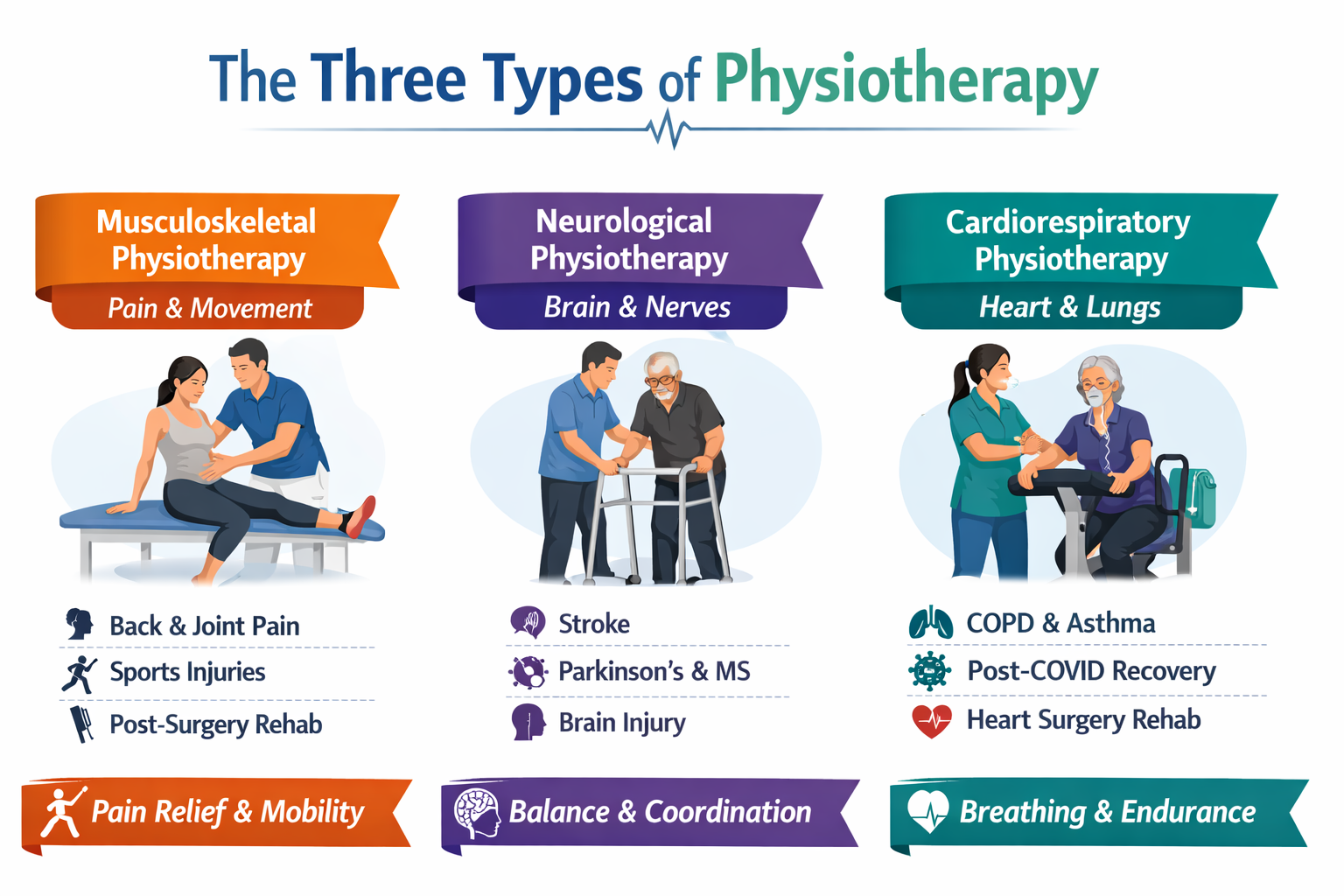
Physiotherapy is one of the most effective, non-drug treatments for arthritis in the hands and fingers. Here's what a treatment plan typically includes:
1. Thorough Assessment
Before anything else, your physiotherapist will take a detailed history of your symptoms, your work and lifestyle demands, and do a hands-on assessment of your joint range of motion, strength, and function. This is not a quick check — it's a real conversation about your life and what's getting in the way.
2. Manual Therapy
Gentle hands-on techniques can help restore movement in stiff joints, reduce pain, and improve how the joint surfaces glide against each other. In Ontario, physiotherapists are trained in joint mobilization techniques that are safe, evidence-based, and adapted to each patient's level of sensitivity.
3. Therapeutic Exercise
Your physiotherapist will design a specific exercise program for your hands and fingers — one that builds strength without aggravating your joints. These exercises are graduated, meaning they start gentle and progress at your pace. The goal is to build enough muscular support so your joints don't have to do all the work.
4. Splinting and Bracing
For some patients, custom or prefabricated splints can be incredibly helpful. A resting splint worn at night can reduce morning stiffness. A working splint during certain tasks can protect a painful joint while still letting you function. Your physiotherapist will advise on what type (if any) is appropriate for your situation.
5. Modalities for Pain Relief
Tools like therapeutic ultrasound, transcutaneous electrical nerve stimulation (TENS), or heat and cold therapy may be used to manage pain and reduce swelling — particularly in the early stages of treatment or during flare-ups. These are used alongside exercise, not instead of it.
6. Education and Joint Protection Strategies
This is often the part of treatment that makes the biggest long-term difference. Your physiotherapist will teach you how to do your daily tasks in a way that protects your joints — from how you grip a steering wheel to how you lift a pot on the stove. These small changes add up enormously over months and years.
7. Collaboration With Your Doctor
Physiotherapy works best as part of a team approach. Your physiotherapist will communicate with your family doctor or rheumatologist as needed, particularly if medication (like anti-inflammatories or disease-modifying drugs) may also be appropriate for your situation. In Ontario, you do not need a doctor's referral to see a physiotherapist — you can self-refer directly.
⚠️ This blog is for educational purposes only and does not replace professional medical advice. If you are experiencing joint pain, please consult a registered physiotherapist or your physician for a proper assessment and individualized treatment plan.
When Should You Actually See a Physiotherapist?
Here's a simple guideline. Book an appointment if you have:
- Joint stiffness in the morning that lasts more than 30 minutes
- Pain that's affecting your ability to work, cook, write, or do activities you enjoy
- Visible swelling or bony changes in your finger joints
- Weakness in your grip that's gotten noticeably worse
- A previous hand or wrist injury that never felt quite right
The earlier you come in, the more options you have. Arthritis is progressive — but so is treatment. The sooner we start, the better your long-term outcome.
Ready to Take Control of Your Joint Health?
At GoActive Physiotherapy, we work with real people dealing with real pain. Whether you're in the early stages of noticing stiffness or you've been managing arthritis for years, we'll build a plan that fits your body and your life — not a one-size-fits-all protocol.
We are registered with the Ontario College of Physiotherapists and committed to evidence-based, patient-centred care.
📞 Call us to book your assessment.
Walk-ins welcome. No referral needed in Ontario (Insurance company may ask for it).