
Book An Appointment
802 Southdown rd, Unit # C1, Mississauga, ON, L5J 2Y4
Email: goactive.mississauga@gmail.com
Book Appointment Call UsMore Recent Blogs



Mon Jan 26
❄️ Joint Stiffness Physiotherapy in Mississauga: 4 Proven Reasons Cold Weather Makes It Worse
Does your knee, hip, or back feel stiffer the moment winter arrives?
You’re not imagining it — and you’re definitely not alone.
During winter in Mississauga, physiotherapy clinics see a noticeable rise in people aged 40 and above complaining of joint stiffness, reduced mobility, and flare-ups of old injuries. Cold weather doesn’t cause joint problems, but it can significantly worsen existing joint stiffness and discomfort — especially if you already have arthritis, past injuries, or a sedentary lifestyle.
Let’s break down why cold weather affects your joints and, more importantly, what you can do about it.
🌡️ Why Cold Weather Triggers Joint Stiffness
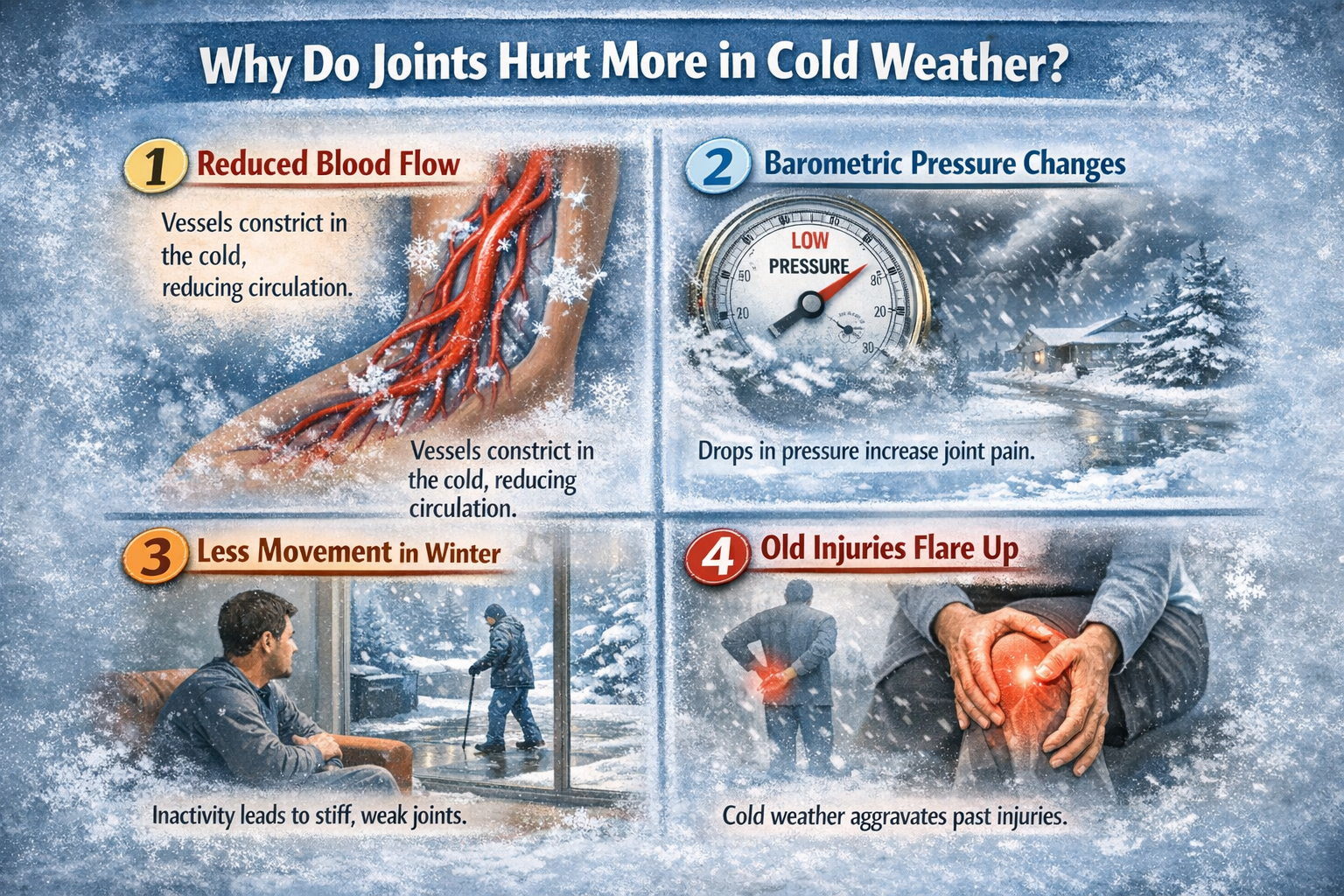
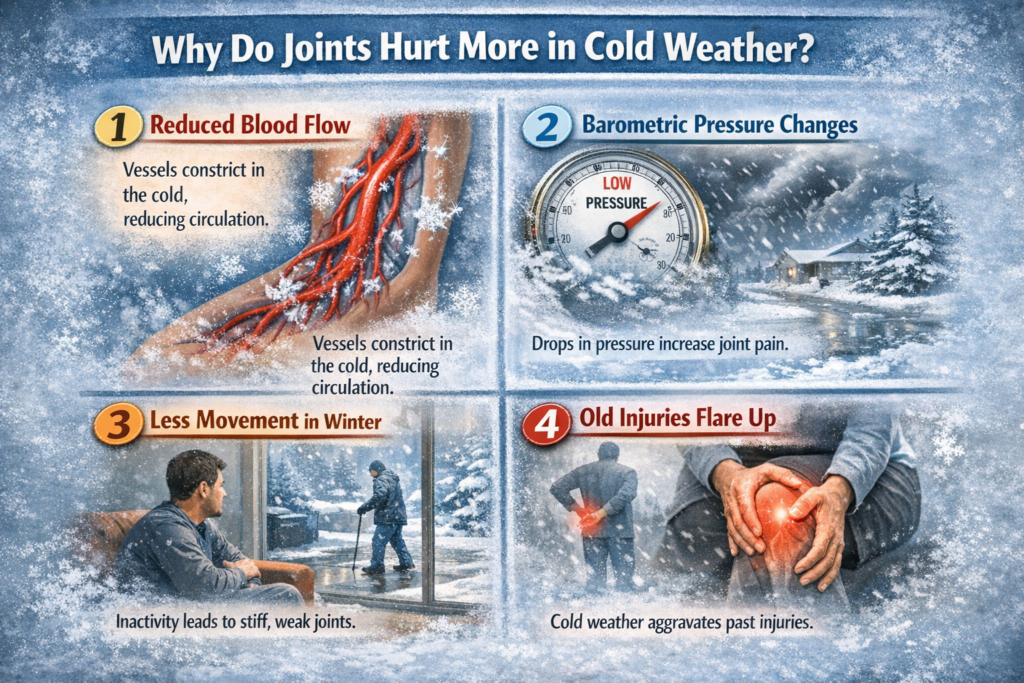
1️⃣ Reduced Blood Flow
Cold temperatures cause blood vessels to constrict. This reduces circulation to muscles and joints, making them feel tight, stiff, and harder to move, especially in the morning.
2️⃣ Barometric Pressure Changes
Sudden drops in atmospheric pressure — common during winter storms in Ontario — can increase pressure inside joints, leading to aching and stiffness, particularly for people with arthritis.
3️⃣ Less Movement in Winter
Short days, icy sidewalks, and cold air often mean less physical activity. Unfortunately, joints thrive on movement. When you move less, joints become stiffer and weaker.
4️⃣ Old Injuries Become More Noticeable
If you’ve ever injured your knee, shoulder, or back, winter can make those areas feel extra sensitive due to changes in circulation and muscle tension.
📊 Trending Winter Joint Complaints in Mississauga (40+ Age Group)
Based on clinic trends and patient feedback, the most common winter-related concerns include:
- Morning stiffness lasting longer than usual
- Knee and hip pain during walking or climbing stairs
- Lower back stiffness after sitting
- Hand and finger stiffness in cold air
- Reduced flexibility and balance confidence outdoors
- Arthritis flare-ups in cold and damp conditions
These issues often start mildly but can progress if ignored.
🧘♂️ How Physiotherapy Helps Winter Joint Stiffness
Physiotherapy plays a key role in preventing, managing, and reducing cold-weather joint stiffness — without relying only on pain medications.
✔️ Improve Joint Mobility
Gentle joint mobilization and stretching restore movement and reduce stiffness.
✔️ Strengthen Supporting Muscles
Stronger muscles protect joints, reduce strain, and improve long-term comfort.
✔️ Reduce Pain & Tension
Hands-on therapy, soft tissue release, and guided exercises help ease tight muscles.
✔️ Improve Balance & Confidence
Winter conditions increase fall risk. Physiotherapy improves stability and coordination.
✔️ Personalized Home Exercise Plans
Customized exercises keep you active even when outdoor movement is limited.
🔥 Practical Tips to Reduce Joint Stiffness This Winter
🏃♀️ Keep Moving (Even Indoors)
Low-impact activities work best in winter:
- Indoor walking or mall walking
- Stationary cycling
- Swimming or aqua therapy
- Gentle yoga or mobility routines
💡 Consistency matters more than intensity.
🧥 Stay Warm, Especially Around Joints
- Dress in layers
- Use knee sleeves, gloves, or thermal supports
- Warm up before leaving the house
- Take warm showers or use heat packs for stiffness
🔄 Heat vs Cold — What’s Better?
- Heat therapy: Best for stiffness and tightness
- Cold therapy: Best for swelling or inflammation after activity
A physiotherapist can guide you on the right option.
🥗 Support Your Joints from the Inside
- Stay hydrated (even in winter)
- Eat anti-inflammatory foods (fish, leafy greens, nuts)
- Maintain a healthy weight to reduce joint stress
- Consider Vitamin D (less sunlight in Canadian winters)
🏥 When Should You See a Physiotherapist?
Don’t wait if you notice:
- Stiffness lasting more than 30–60 minutes in the morning
- Pain affecting daily activities
- Reduced walking tolerance
- Fear of slipping or falling
- Joint pain that worsens every winter
Early physiotherapy can prevent long-term joint degeneration and help you stay active year-round.
✅ Final Thoughts
Winter in Mississauga can be tough on your joints — especially after 40 — but stiffness doesn’t have to control your life. With the right movement, warmth, and professional physiotherapy care, you can stay mobile, confident, and pain-free even during the coldest months.
Cold weather may be unavoidable — but living with stiff, painful joints isn’t.
At Go Active Physiotherapy in Mississauga, we focus on understanding your body, your lifestyle, and your goals, so you can stay active and independent even during Mississauga winters.
📍 Conveniently located in Mississauga
🧑⚕️ One-on-one physiotherapy care
❄️ Winter-focused joint stiffness programs
Schedule your appointment today and feel the difference.